
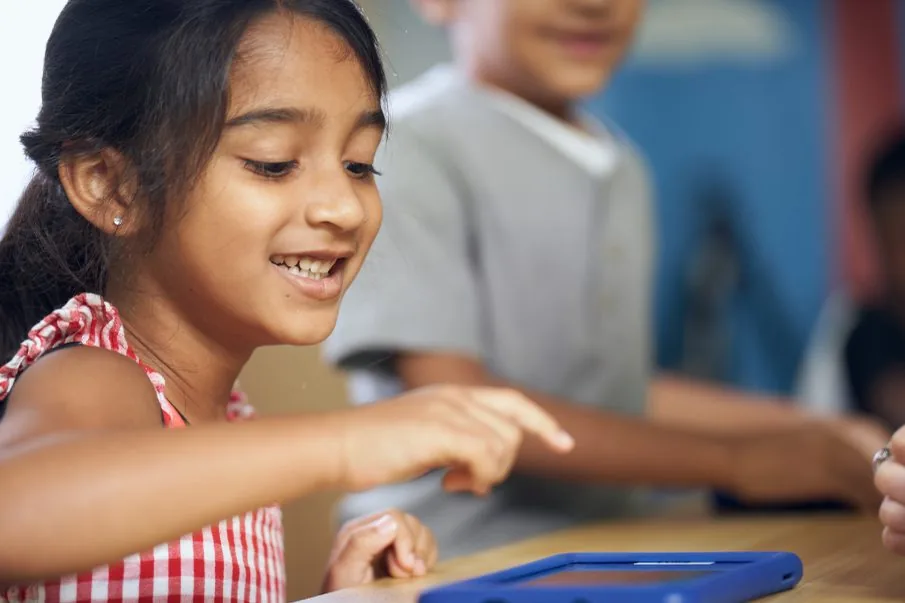
Children can start coding at around age 5, using visual tools that do not require reading. Most are ready for block-based game coding at about 8, and typed languages follow once they are comfortable with the logic. It is never too late to begin.
Coding at 5 looks nothing like coding at 14. A five-year-old snaps picture blocks together to make a character dance. A teenager types JavaScript. What matters is matching the tool to the child, rather than hitting a particular age.
What suits each age
| Age | What it looks like | Good starting points |
|---|---|---|
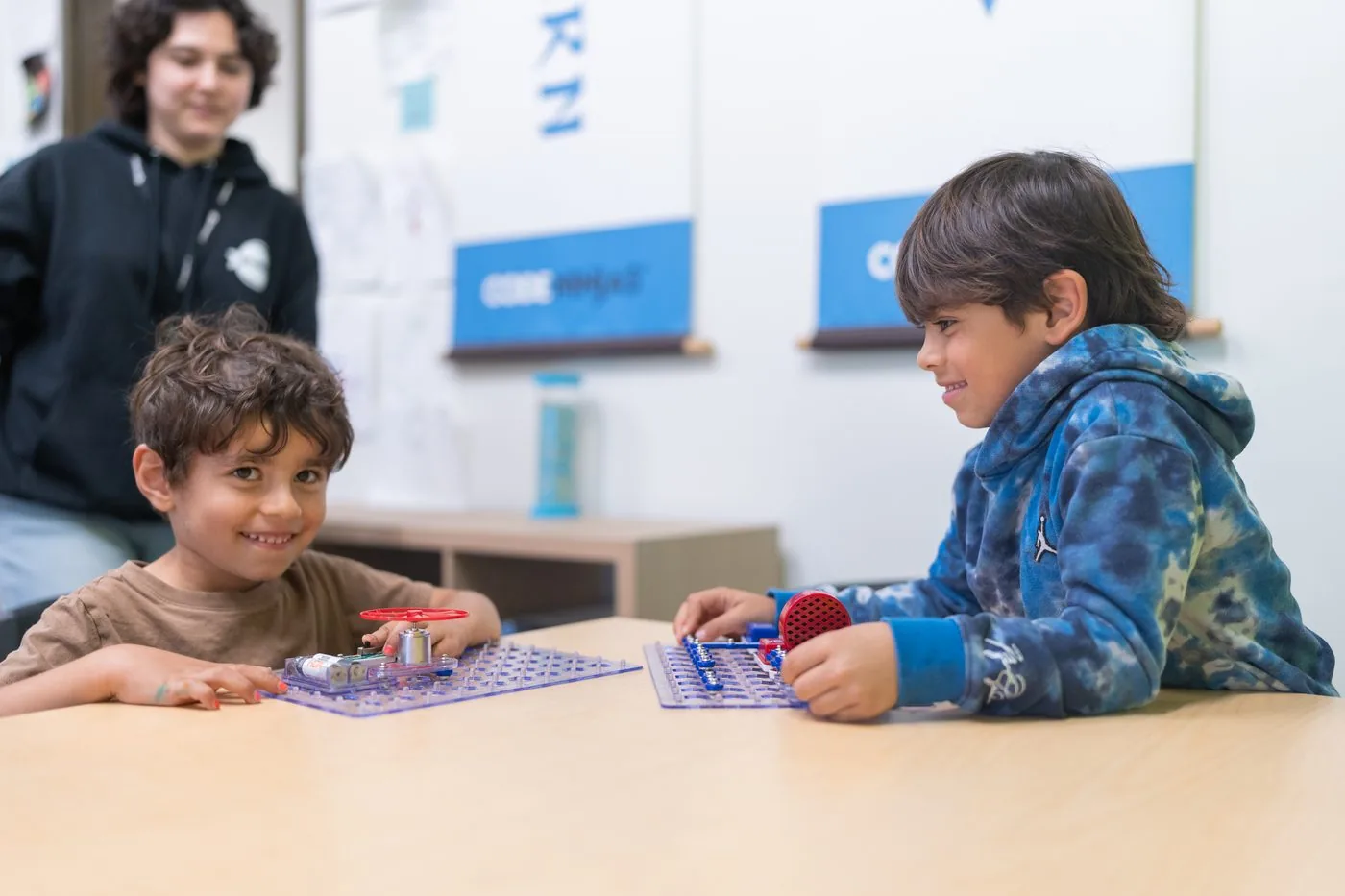
| 5 to 7 | Picture blocks, puzzles and off-screen logic games. Reading is not required. | ScratchJr, codeSpark, simple robotics and circuits |
| 8 to 10 | Building real games with drag-and-drop blocks, using loops, variables and conditions. | Scratch, MakeCode Arcade, robotics kits |
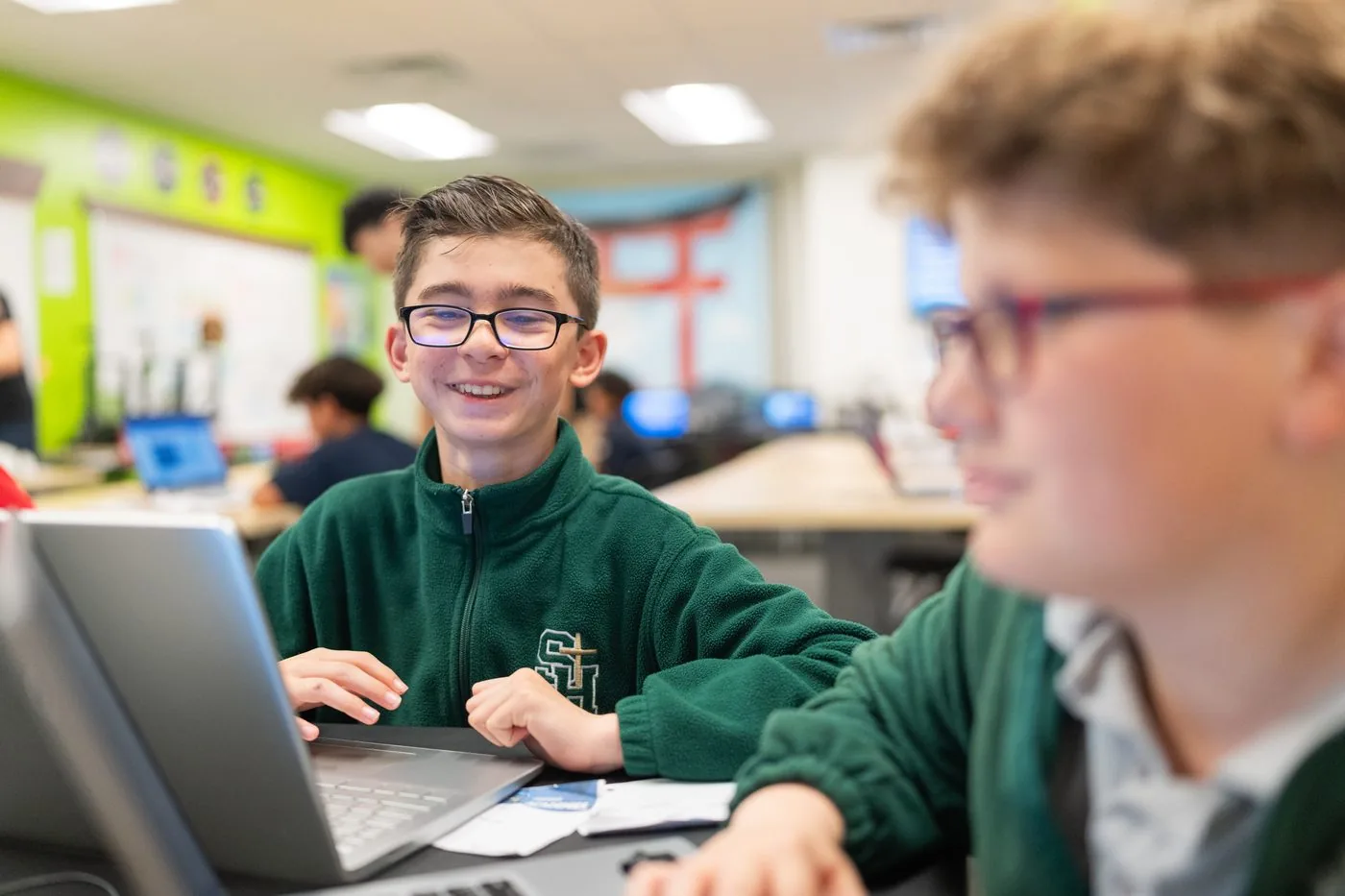
| 10 to 14 | Moving from blocks to typed code, and exploring specialist subjects. | JavaScript, Python, AI and VR projects |
These ages line up with how the tools are designed. The Scratch Foundation lists ScratchJr for ages 5 to 7, with icon-based blocks so children can start before they can read, and Scratch from age 8.
Signs your child is ready
Age is only a rough guide. These tell you more:
- They enjoy puzzles, building sets or working out how things work.
- They can follow a short sequence of steps.
- They ask “what happens if I...?”
- They want to make their own games rather than only play them.
- They can stay with one activity for a while, with support nearby.
Your child does not need all of these, and does not need to be a math whiz. Interest and curiosity matter most.
What helps at the start
- Start with something they care about. A game or story of their own is more motivating than an exercise.
- Keep early sessions short and fun, especially under age 8.
- Treat bugs as normal. Finding what went wrong is a big part of coding.
- Let them explain it to you. Asking “how did you make it do that?” builds confidence.
Is it ever too late?
No. Children who start later often move quickly through the early concepts, because they can already read well and reason through problems. At our studio every ninja in Create starts at White Belt, whatever their age, and works up from there at their own pace.
Common questions
Can a 5-year-old really learn to code?
Yes. Visual tools let young children practice sequencing, loops and cause and effect before they can read a line of code.
Does my child need to be able to read?
Not for tools like ScratchJr, which use icon-based blocks. Our Junior program for ages 5 to 7 is built so nothing depends on reading.
What is the best first programming language for kids?
For most children, a block-based tool comes first, because they can focus on the logic. Typed languages such as JavaScript or Python come later.
Is my 12-year-old too old to start?
Not at all. Older beginners usually pick up the early concepts quickly.
 Robotics
 Camps